What Is This Page and Why Does It Matter in 2026 for Homeowners?
Understanding Emergency Electrical Services
Emergency electrical services are critical for home and business safety, especially when unexpected electrical issues arise. Such emergencies can range from power outages to more severe electrical failures that pose fire risks and safety hazards. As we move forward into 2026, awareness of the significance of these services becomes increasingly essential for homeowners and businesses alike. One resource that can help you navigate these concerns is this page, which outlines crucial steps to take during electrical emergencies.
What Are Emergency Electrical Services?
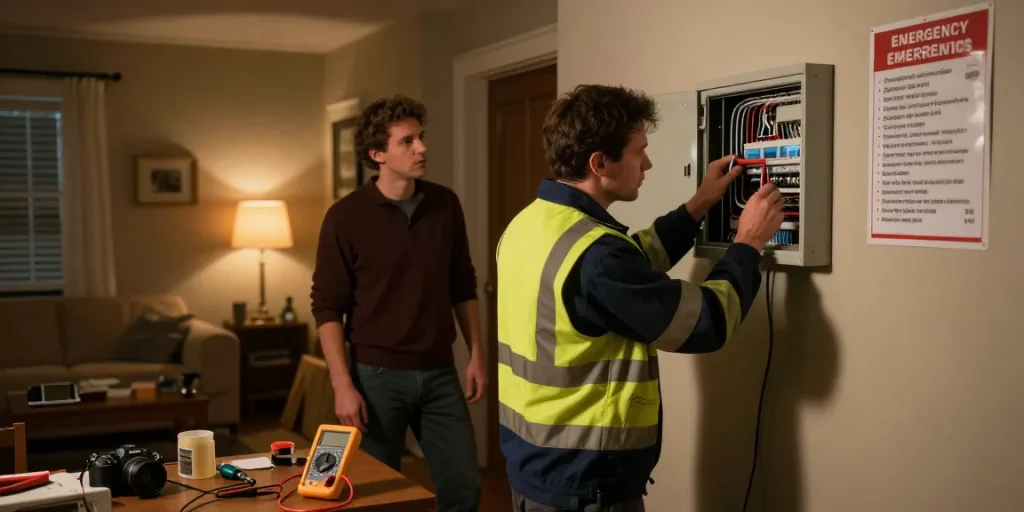
Emergency electrical services typically encompass a variety of urgent electrical issues that require immediate attention. These may include sudden power outages, buzzing sounds from electrical outlets, flickering lights, or signs of overheating in outlets or appliances. Qualified electricians provide these services to restore safety and functionality, ensuring that all electrical systems comply with current safety standards.
The Importance of Quick Response
When electrical problems occur, a prompt response can prevent minor issues from escalating into catastrophic failures. A quick intervention can help mitigate risks such as electrical fires, equipment damage, and even personal injury. Therefore, knowing who to call and being prepared to act can make a significant difference in an emergency scenario.
Common Electrical Emergencies
- Power Outages: Sudden loss of electricity without warning.
- Burning Smells: Indications of overheated wiring or appliances.
- Flickering Lights: Suggesting wiring issues or overloaded circuits.
- Tripped Circuit Breakers: Frequent tripping can indicate an underlying problem.
- Electrical Shocks: Experiencing shocks from outlets or appliances is a serious issue requiring immediate attention.
How to Identify Power Problems
Identifying power problems early can save you time, money, and potential danger. Being vigilant and recognizing the signs of electrical failure can empower homeowners and business owners to act swiftly and appropriately.
Signs of Electrical Failure
Common indicators of electrical issues include:
- Unusual odors, such as burning or melting plastic.
- Increased frequency of blown fuses or tripped circuit breakers.
- Warm or hot outlets and switches.
- Visible damage or fraying on cords and plugs.
- Unexplained electrical surges affecting devices.
Assessing the Severity of the Issue
Before calling for professional help, assess the symptoms carefully. If only one device is malfunctioning, the issue might be isolated. However, if multiple devices experience problems simultaneously, it could indicate a larger electrical issue that requires immediate attention.
When to Call for Professional Help
When in doubt, it’s always best to call a qualified electrician. Situations that warrant professional intervention include:
- Persistent problems with the electrical system.
- Signs of fire or burning smells.
- Frequent surges or fluctuations in power.
- Unexplained shocks when using appliances.
- Any planned renovations that involve the electrical system.
Choosing the Right Emergency Electrician
Selecting a qualified emergency electrician is essential to ensure that your electrical issues are handled efficiently and safely. It’s important to do your due diligence before hiring a professional.
Qualifications and Certifications to Look For
Ensure that the electrician holds the necessary licenses and certifications. This can include:
- State or national licensing to perform electrical work.
- Certifications from recognized safety organizations.
- Proof of insurance to cover any liabilities or damages.
Reviews and Recommendations
Word-of-mouth recommendations and online reviews can help gauge an electrician’s reliability and quality of service. Check platforms like Yelp, Google Reviews, or local directories to find reputable service providers.
Costs and Estimates for Services
Understanding the costs involved in emergency electrical services is crucial. Requests for estimates upfront can prevent unexpected charges. Factors influencing costs may include the complexity of the issue, time required for repairs, and any necessary materials.
Prevention Strategies for Homeowners
Preventative measures can significantly reduce the likelihood of electrical emergencies. Implementing routine checks and upgrades to your electrical systems is crucial for maintaining safety.
Regular Electrical Inspections
Scheduling routine inspections by a licensed electrician can identify potential issues before they escalate. Having a thorough check conducted every few years can keep your home safe and compliant with local electrical codes.
Emergency Preparedness Tips
Being prepared can make all the difference during an emergency:
- Keep a list of emergency contact numbers handy, including your electrician.
- Have a backup power supply, such as a generator, ready for use.
- Establish a family plan in case of electrical failures, including a meeting point and communication methods.
Upgrading Electrical Systems
If your home is older, consider upgrading your electrical systems to accommodate modern appliances and technology. This can ensure that your electrical infrastructure can handle current demands.
Future Trends in Electrical Emergency Services
Looking ahead, various trends are shaping emergency electrical services, driven by technological advancements and evolving safety standards.
Technological Advancements in Electrical Work
Emerging technologies such as smart home systems and IoT devices enable users to monitor and manage their electrical systems more effectively. These tools can provide real-time alerts when anomalies occur, enhancing response time in emergencies.
Emerging Safety Standards
As technology advances, so do safety standards. New regulations ensure that electrical installations comply with the latest safety measures, particularly in residential and commercial buildings, reducing risks associated with electrical work.
Anticipating Future Electrical Needs
Consumers are increasingly adopting energy-efficient appliances and renewable energy solutions. As a result, the demand for electrical services is evolving to not only address emergencies but also to support sustainable practices.
What Should You Do During a Power Outage?
During a power outage, ensure your safety by unplugging major appliances to prevent damage when power resumes. Use flashlights instead of candles to reduce fire risks, and keep your refrigerator closed to preserve food.
How Can You Ensure Electrical Safety?
Routine maintenance, awareness of your electrical systems, and understanding how to respond during emergencies will greatly enhance electrical safety in your home. Invest in surge protectors, and replace any frayed cords or malfunctioning outlets immediately.
What Are Common Causes of Power Failures?
Power failures can result from various factors, including severe weather, animal interference, equipment failure, or even human error during construction. Understanding these common causes can help you prepare better.
How Do Emergency Electricians Operate?
Emergency electricians are generally available 24/7 to respond to urgent calls. They assess the situation, determine the root cause of the electrical issue, and implement immediate corrective actions to restore service safely.
What Role Do Homeowners Play in Electrical Safety?
Homeowners play a pivotal role in maintaining electrical safety. Regularly checking for signs of wear and tear and understanding how to respond to warning signs can mitigate risks associated with electrical failures.