Understanding Video Processing Courses
In an era where video content dominates social media, marketing, and entertainment, acquiring skills in video processing is increasingly essential. This comprehensive Video processing course online is designed for those who wish to delve into the technical and creative aspects of video editing, sound design, and special effects. Whether you aim to enhance your hobbies or pivot to a new career, grasping video processing fundamentals can unlock a world of professional opportunities.
What is a Video Processing Course Online?
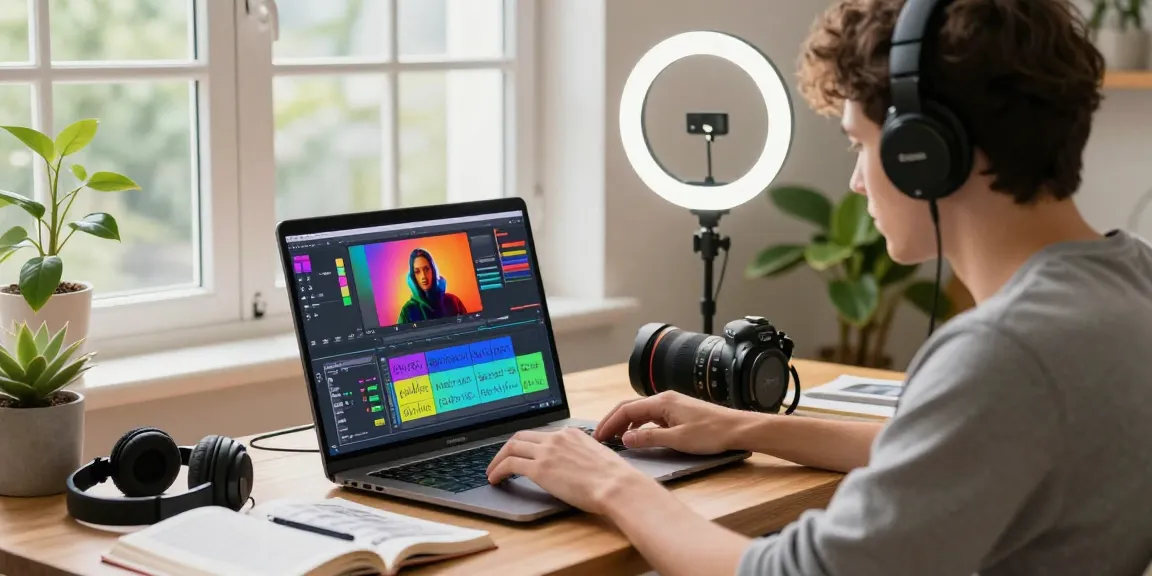
A video processing course online aims to teach individuals how to manipulate, enhance, and create video content using various software tools and techniques. These courses range from beginner to advanced levels, covering everything from the basics of video editing to complex concepts such as motion graphics and sound design. Enrolled students have access to a wealth of resources, including video tutorials, practical projects, and community forums, fostering an engaging learning atmosphere.
Key Learning Outcomes of Video Processing Courses
Students can expect to gain a well-rounded skill set upon completing a video processing course online. Key learning outcomes often include:
- Proficiency in industry-standard software like Adobe Premiere Pro, After Effects, and Audition.
- Understanding of color theory and grading techniques for high-quality visual narratives.
- Ability to create compelling soundscapes and manage audio elements seamlessly.
- Skills in editing for different platforms, including YouTube and social media formats.
- Knowledge of current trends in video production and the ability to adapt to evolving technologies.
Differences Between Free and Paid Video Processing Courses
While free courses provide foundational insights into video processing, paid courses often deliver a more structured learning experience with additional benefits. Paid courses typically include:
- Access to comprehensive materials and multiple lessons spanning various aspects of video production.
- Professional feedback on projects from qualified instructors.
- Networking opportunities with industry experts and fellow students.
- Certifications that can enhance your resume and job prospects.
How to Choose the Right Video Processing Course?
Identifying Your Skill Level and Goals
Understanding your current skill level is crucial in selecting the right video processing course. Beginners may find courses focusing on the basics of video editing beneficial, while experienced professionals might seek advanced courses in VFX or motion graphics. Furthermore, outlining specific goals, such as improving your freelance portfolio or starting a YouTube channel, can guide your course selection.
What to Look for in Course Content?
When evaluating course content, consider aspects like:
- Comprehensive coverage of topics such as video editing, sound design, and motion graphics.
- The inclusion of practical projects that allow you to apply your skills in realistic scenarios.
- Availability of resources such as downloadable materials, guides, and supplementary videos.
Evaluating Instructor Qualifications and Course Reviews
Instructor qualifications play a significant role in the quality of a course. Research the instructors’ backgrounds to ensure they have practical experience in the industry. Additionally, check reviews from previous students to gauge the course’s effectiveness and any potential drawbacks.
Cost Components of Video Processing Courses
Tuition Fees and Course Materials
Tuition fees for video processing courses can vary widely. Free courses may offer basic learning but often lack depth and resources. Paid courses typically range from $100 to several thousand dollars depending on content and access. Many paid courses also provide instructional materials, software discounts, and future updates, providing added value to students.
Hidden Costs: Software and Equipment Needs
While considering course fees, account for potential hidden costs such as required software subscriptions (e.g., Adobe Creative Cloud) and equipment (cameras, microphones, and editing hardware). Understanding these additional expenses is essential for budgeting your education.
Long-term Value: Job Placement and Skills Development
The long-term value of a video processing course extends beyond immediate learning. Many reputable courses offer job placement assistance, helping graduates connect with potential employers. Furthermore, mastering in-demand skills can significantly enhance your career prospects and salary potential in a competitive market.
Benefits of Taking a Video Processing Course Online
Flexibility and Accessibility for All Learners
One of the primary benefits of online video processing courses is the flexibility they offer. Students can learn at their own pace and from anywhere, making it easier to balance education with work or personal commitments. This accessibility caters to a diverse audience, from students to working professionals seeking skill enhancement.
Networking Opportunities within the Industry
Online courses often create opportunities for networking, connecting students with industry professionals and peers. Forums, group projects, and live sessions encourage collaboration and discussion, fostering a sense of community among aspiring video professionals.
Staying Current: Trends in Video Production and Editing
Video processing courses ensure participants stay current with the latest trends and technologies in the industry. The rapidly evolving nature of video production means that knowledge gaps can occur quickly; thus, continuous learning through these courses helps professionals remain competitive.
Future Trends in Video Processing Education
Emerging Technologies and Their Impact on Courses
As technology continues to advance, video processing courses will likely integrate new tools and methods. Virtual and augmented reality, AI-driven editing software, and enhanced audio technology may become standard aspects of curricula, preparing students for future industry demands.
Online Learning vs. Traditional Classroom Settings
While traditional classroom settings have their advantages, online learning provides a unique opportunity for self-paced study and global access to resources. Many educators believe hybrid models combining online and face-to-face learning will emerge, enhancing flexibility while still allowing for personal interaction.
Predictions for Video Processing Skills Demand in 2026
The demand for video processing skills is projected to grow significantly as more companies, creators, and influencers leverage video content for engagement. Skills in editing, sound design, and visual effects will be increasingly sought after, creating numerous job opportunities in diverse sectors including marketing, film, and social media.
What are the best video processing courses online?
Several high-quality video processing courses exist, catering to a range of skill levels and interests. Courses offered via platforms such as Coursera, Udemy, and Skillshare receive positive reviews for their comprehensive content and expert instructors. Researching course syllabi and student testimonials can aid in identifying options that align with your goals.
How much does a video processing course typically cost?
The cost of a video processing course varies based on depth and provider. Beginner courses might cost around $100, while advanced specialization courses could run upwards of $1,000. Package deals, such as the Ultimate Creative Bundle, may offer multiple courses at a discounted rate for those looking to enhance their comprehensive skill set.
Are there free options for learning video processing?
Yes, many platforms offer free video processing courses. However, these often provide only a basic overview without the depth offered in paid courses. Free courses can be excellent for beginners to assess their interests but may require further investment for serious study and skill development.
What skills can I expect to gain from these courses?
Upon completing a video processing course, students can expect to gain skills in video editing, sound design, motion graphics, and visual effects. Additionally, they will learn to work with industry-standard software, develop storytelling techniques, and understand color grading, enhancing their overall proficiency in video production.
How do these courses compare with competitors?
When comparing courses, consider factors such as curriculum depth, instructor experience, student reviews, and networking opportunities. Courses that offer hands-on projects and industry-relevant skills tend to stand out among competitors, providing greater value and learning outcomes for aspiring video professionals.