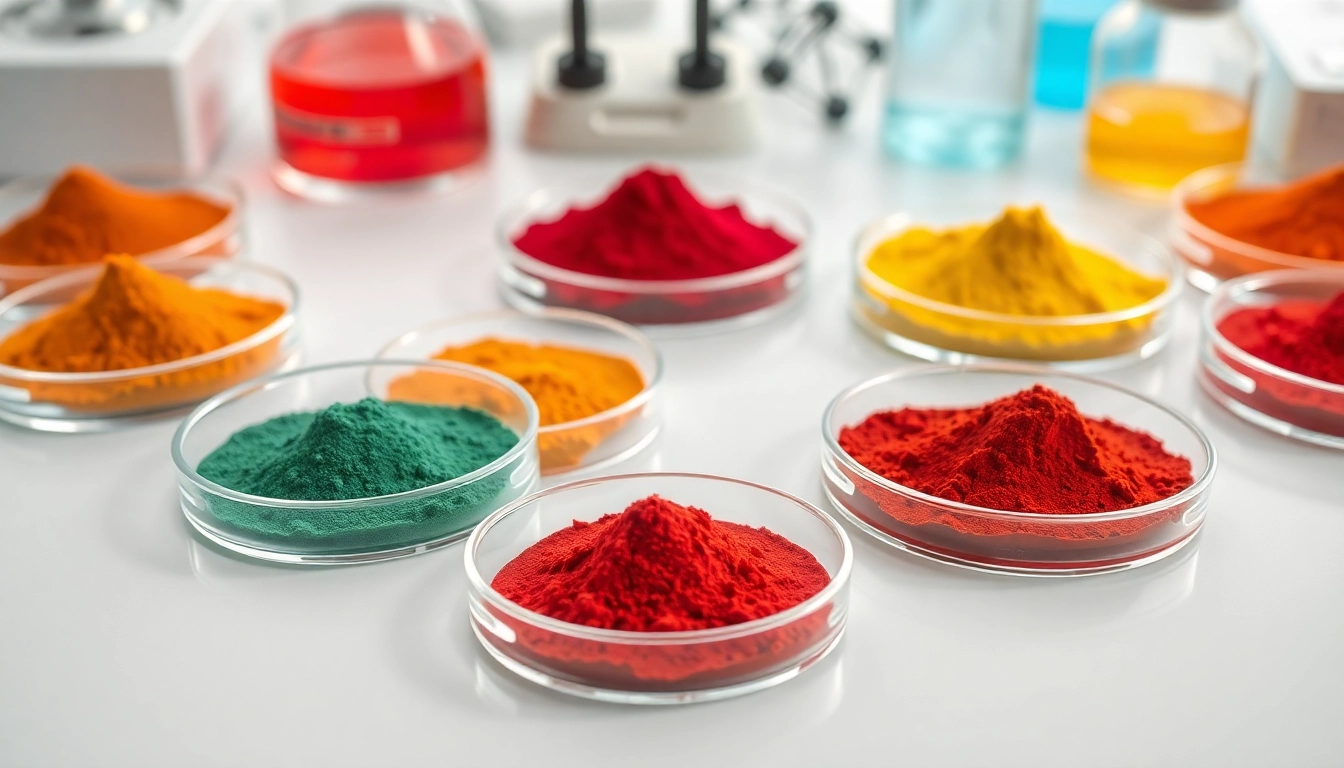
Introduction to Astaxanthin
Astaxanthin, a powerful carotenoid, is gaining significant attention for its impressive antioxidant properties and nutritional benefits. Naturally found in various organisms, this pigment is responsible for the distinctive pink and red colors of salmon, shrimp, and flamingos. As consumers become increasingly health-conscious, the debate surrounding natural astaxanthin vs synthetic astaxanthin has emerged as a critical topic. Understanding the differences can help individuals make informed choices regarding supplementation and dietary intake.
What is Astaxanthin?
Astaxanthin is a keto-carotenoid produced naturally by microalgae, yeast, and some bacterial species. This compound is recognized for its potent antioxidant capacity, exceeding that of vitamin C and E, making it a focal point in the field of dietary supplements and health foods. Astaxanthin's unique structure allows it to protect cell membranes and prevent oxidative damage, thus playing a crucial role in human health. Its applications span various industries, including foods, cosmetics, and nutritional supplements.
Sources of Natural Astaxanthin
The primary source of natural astaxanthin is the microalgae Haematococcus pluvialis, which accumulates this carotenoid as a defense mechanism against extreme environmental stresses. Other notable natural sources include shrimp, krill, salmon, and some types of red yeast. Among these, wild-caught fish tend to have higher levels of astaxanthin compared to farmed varieties due to their natural diets. The extraction of astaxanthin from these sources not only supports its nutritional value but also emphasizes the importance of sustainable harvesting practices.
Understanding Synthetic Astaxanthin
Synthetic astaxanthin is produced through chemical synthesis, offering a more cost-effective solution for industries that require large volumes of the compound. Commonly used in aquaculture and food coloring, synthetic versions are engineered to mimic the natural form. However, the manufacturing processes involved can differ significantly, often involving petrochemicals. While synthetic astaxanthin is deemed safe for consumption, its long-term effects are still under scrutiny, raising questions about its overall health benefits compared to its natural counterpart.
Natural Astaxanthin vs Synthetic Astaxanthin
Chemical Composition Differences
One of the most significant distinctions between natural and synthetic astaxanthin lies in their chemical makeup. Natural astaxanthin is derived from biological sources, resulting in a composition that includes various bioactive compounds and synergistic nutrients. This complex matrix potentially enhances its efficacy in the body.
On the other hand, synthetic astaxanthin, while chemically similar, may lack these beneficial additional components. Furthermore, the process of synthesis can lead to the formation of isomers and byproducts that might not occur in nature, potentially altering its bioactivity. These compositional differences underline the importance of recognizing the source of astaxanthin when considering health benefits and applications.
Health Benefits Comparison
Both natural and synthetic astaxanthin are touted for their health benefits, including antioxidant properties, anti-inflammatory effects, and potential roles in skin health, vision improvement, and cardiovascular support. However, numerous studies suggest that natural astaxanthin may offer superior health benefits due to its bioavailability and the presence of additional nutrients that support its antioxidant capacity.
Natural astaxanthin has been linked to enhanced skin elasticity, UV protection, and improved moisture levels in the skin. Studies have also indicated potential benefits in maintaining healthy cholesterol levels and supporting eye health. While synthetic astaxanthin presents similar effects, ongoing research is examining the effectiveness of the various compounds and impurities that may arise during synthetic production.
Bioavailability and Absorption
Bioavailability, the degree to which substances are absorbed into the bloodstream, is a crucial factor in determining the efficacy of a compound. Natural astaxanthin is often more easily absorbed by the body due to its inherent compatibility with natural biochemical pathways. Factors such as phytochemical interactions play a role in this enhanced absorption.
Synthetic astaxanthin typically exhibits lower bioavailability, which can diminish its overall effectiveness in providing health benefits. This difference suggests that when choosing an astaxanthin supplement or dietary source, prioritizing natural options may lead to better health outcomes.
Applications and Uses
Food Industry Applications
In the food industry, astaxanthin is widely utilized for its pigmentation properties, improving the visual appeal of various products. It is predominantly used in aquaculture, where it enhances the color of farmed salmon and shrimp, making them more aesthetically pleasing to consumers. Moreover, the antioxidant properties of astaxanthin are valuable for food preservation, helping to extend shelf life.
Cosmetics and Skin Health
The cosmetic sector has embraced astaxanthin for its numerous benefits on skin health. Due to its powerful antioxidant nature, astaxanthin can combat oxidative stress, which contributes to skin aging. Many skincare products now incorporate natural astaxanthin, promoting benefits such as improved skin texture, enhanced moisture retention, and protection from UV rays. Research continues to explore its potential in reducing the appearance of fine lines and wrinkles, making it an attractive ingredient in anti-aging formulations.
Potential in Nutritional Supplements
The rise in health-conscious consumers has led to a surge in the popularity of astaxanthin supplements. These products often feature natural astaxanthin due to its superior bioavailability and health benefits. Available in soft gels, gummies, and powdered forms, astaxanthin supplements target a wide range of health concerns, including inflammation, cardiovascular health, and immune support. The continuous exploration of its benefits in clinical trials further enhances its appeal among health enthusiasts.
Environmental Impact and Sustainability
Naturally Derived Astaxanthin
The extraction of natural astaxanthin must be conducted sustainably to prevent overexploitation of resources. Harvesting wild organisms, especially in aquaculture, raises concerns regarding ecosystem health and biodiversity. Sustainable practices, such as responsible sourcing from algae farms and ethical fishing techniques, aim to mitigate these impacts. Supporting brands that prioritize sustainability can ensure that natural astaxanthin products do not compromise the health of marine and freshwater ecosystems.
Synthetic Production Methods
The synthetic production of astaxanthin poses its own environmental challenges. The chemical processes involved often rely on non-renewable resources, contributing to pollution and carbon emissions. In addition, the disposal of chemical byproducts can lead to contamination of water systems. Efforts to improve the environmental footprint of synthetic production methods may provide a pathway to more sustainable alternatives; however, these improvements remain an ongoing challenge.
Impact on Ecosystem
Both natural and synthetic astaxanthin production methods have the potential to impact ecosystems. While natural sources can foster marine biodiversity, overharvesting poses significant risks. Conversely, synthetic production can harm terrestrial ecosystems due to resource extraction and processing waste. Sustainable practices must be prioritized in both domains to support ecological health and the conservation of wildlife and plant species.
FAQs About Natural and Synthetic Astaxanthin
What are the primary sources of natural astaxanthin?
The primary sources of natural astaxanthin include microalgae such as Haematococcus pluvialis, as well as seafood like salmon, shrimp, and krill.
Is synthetic astaxanthin safe to consume?
Yes, synthetic astaxanthin is recognized as safe for consumption by regulatory authorities, but long-term effects are still being studied.
How do the costs compare between natural and synthetic options?
Natural astaxanthin tends to be more expensive due to extraction costs and sustainable sourcing compared to the more cost-effective synthetic alternatives.
Can natural astaxanthin improve skin health?
Yes, natural astaxanthin is known for its skin benefits, including enhanced hydration, elasticity, and protection against UV damage.
What are the recommended dosages for astaxanthin?
Typical dosages range from 4 to 12 mg per day, but individual needs can vary depending on health goals and conditions.