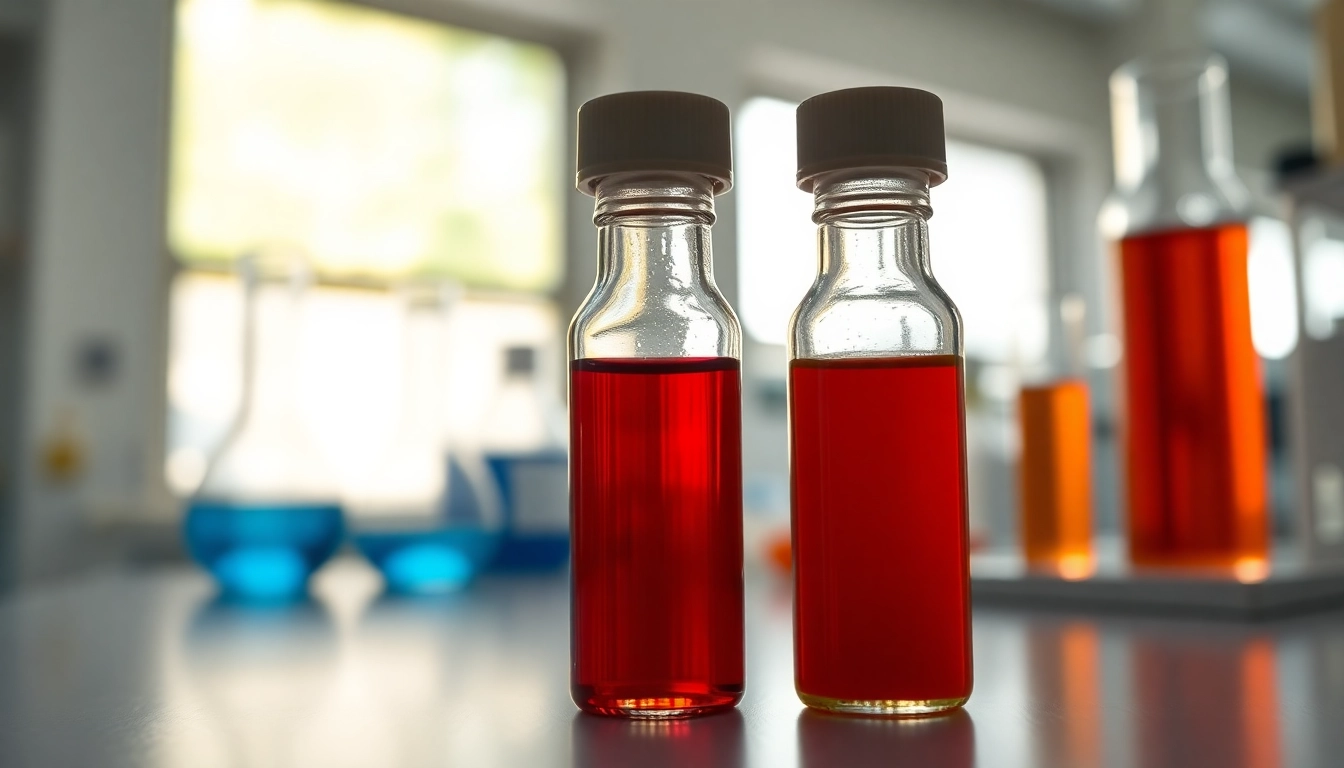
Understanding Astaxanthin
What is Astaxanthin?
Astaxanthin is a powerful carotenoid known for its vibrant red and pink pigments found predominantly in various marine life forms, including shrimp, salmon, and krill. As a member of the xanthophyll family, astaxanthin is renowned for its potent antioxidant properties, which play a crucial role in protecting cells from the damaging effects of oxidative stress. Unlike many other antioxidants, astaxanthin possesses a unique molecular structure that allows it to cross the blood-brain and blood-retina barriers, thereby exerting its protective benefits in critical areas of the body.
The Chemical Composition of Astaxanthin
The molecular structure of astaxanthin includes a series of conjugated double bonds, resulting in its ability to scavenge free radicals effectively. This unique structure enhances its stability and bioactivity. The chemical formula for astaxanthin is C40H52O4, indicating the presence of four oxygen molecules, which are critical in facilitating its antioxidant activity. Additionally, astaxanthin is a lipid-soluble compound, making it essential for maintaining the integrity of cell membranes.
Natural vs Synthetic Sources
Astaxanthin can be derived from both natural and synthetic sources. Natural astaxanthin is primarily sourced from microalgae, particularly Haematococcus pluvialis, which produces astaxanthin as a defense mechanism against environmental stressors. In contrast, synthetic astaxanthin is made in laboratories through chemical processes. While both forms have antioxidant properties, they may differ in efficacy, bioavailability, and safety profiles. The debate surrounding natural astaxanthin vs synthetic astaxanthin is significant when considering supplementation.
Health Benefits of Astaxanthin
Natural Astaxanthin Health Advantages
Natural astaxanthin offers numerous health advantages, largely attributed to its bioactive compounds. These benefits include enhanced skin health through UV protection, improved endurance and recovery in athletes, and potential cardiovascular benefits. With its strong anti-inflammatory properties, natural astaxanthin can help reduce muscle soreness and speed up recovery after intense workouts. Furthermore, it has been linked to better cognitive function, potentially reducing the risk of neurodegenerative diseases.
Potential Benefits of Synthetic Astaxanthin
Synthetic astaxanthin is often used in dietary supplements and animal feed due to its lower production costs. While it may exhibit antioxidant properties similar to those of natural astaxanthin, there are concerns about its overall effectiveness and safety. Some studies suggest that synthetic versions may not deliver the same benefits because they lack the same complex array of co-factors present in natural sources, such as other carotenoids and fatty acids. Thus, the potential benefits of synthetic astaxanthin remain a subject of ongoing research.
Comparative Analysis of Benefits
The comparison between natural and synthetic astaxanthin leads to important considerations when evaluating their health benefits. Natural astaxanthin not only provides antioxidant support but also contains a range of other beneficial compounds that can synergistically enhance health effects. In contrast, synthetic astaxanthin may result in varying bioavailability and potential for side effects, making it less favorable for long-term supplementation. Understanding the distinctions is vital for informed choices in supplementation.
Effectiveness and Bioavailability
How Natural Astaxanthin Works in the Body
Natural astaxanthin works effectively in the body by neutralizing free radicals and reducing lipid peroxidation, a process that can lead to cellular damage. Once ingested, it incorporates into cell membranes, enhancing their stability and function. Research has shown that natural astaxanthin can also modulate inflammatory pathways, which is crucial for maintaining overall health. Its bioavailability is influenced by factors such as dietary fat intake, as it is better absorbed when consumed alongside fats.
The Bioavailability of Synthetic Astaxanthin
Synthetic astaxanthin, while viable in various applications, may not be absorbed as efficiently as its natural counterpart. Studies indicate that synthetic forms may require higher doses to achieve the desired therapeutic effects. Also, because it is less complex than natural astaxanthin – lacking accompanying phytonutrients – its absorption could be compromised, leading to diminished effectiveness in certain health contexts.
Research on Efficacy
Numerous studies have evaluated the efficacy of both natural and synthetic astaxanthin. Evidence suggests that natural astaxanthin demonstrates superior antioxidant activity, reducing oxidative stress markers more effectively than synthetic alternatives. Clinical trials have shown benefits in skin health, exercise performance, and cognitive enhancement predominantly linked to natural sources. However, comprehensive analyses of synthetic astaxanthin's effectiveness are less conclusive, highlighting the need for further research in this area.
Safety and Side Effects
Natural Astaxanthin: Any Risks?
Natural astaxanthin is generally regarded as safe when consumed within recommended doses. Most individuals may tolerate it well, with minimal side effects. However, excessive intake could potentially lead to skin coloration changes due to increased carotenoid levels in the body. Consultation with healthcare providers is advisable, particularly for those with underlying health conditions or those who are pregnant and breastfeeding.
Understanding Synthetic Astaxanthin Side Effects
Synthetic astaxanthin is associated with a range of side effects, although research is still emerging. Common side effects may include stomach upset, diarrhea, and changes in skin pigmentation. Concerns about potential long-term effects are prevalent in discussions surrounding synthetic supplements, emphasizing the importance of careful selection and dosage for those considering synthetic options.
Safety Comparisons
The safety profiles of natural versus synthetic astaxanthin reveal stark contrasts. Natural astaxanthin usually has fewer reported side effects and a better-established history of use in humans, while synthetic variants often require more caution due to the lack of comprehensive long-term studies. Users are advised to weigh these considerations seriously when selecting which type of astaxanthin suits their needs best.
Choosing the Right Option for You
Guidelines for Selecting Astaxanthin Supplements
When selecting astaxanthin supplements, consider factors such as sourcing, purity, and certification. Choose products that clearly label whether they contain natural or synthetic astaxanthin. Look for third-party testing to ensure the product's potency and safety. Additionally, consider the delivery method (e.g., soft gel, powder) that suits personal preferences, and consult healthcare providers for tailored recommendations based on individual health profiles.
Cost Considerations: Natural vs Synthetic
Cost is often a significant factor when comparing natural and synthetic astaxanthin. Natural sources tend to be pricier due to the extraction and production processes involved. Synthetic astaxanthin can undercut natural pricing, making it more appealing for mass-market products. However, a lower price may come at the expense of quality and efficacy, leading consumers to weigh value against benefits effectively.
Final Thoughts on Natural Astaxanthin vs Synthetic Astaxanthin
The debate between natural astaxanthin and synthetic astaxanthin continues as research unfolds. Each type presents distinct pros and cons that potential users must consider. While natural astaxanthin showcases a comprehensive range of health benefits supported by robust research, synthetic options may offer economic advantages at the potential cost of efficacy and safety. Ultimately, informed decision-making, grounded in personal health goals and preferences, is key to selecting the most suitable supplementary option.
Frequently Asked Questions
What are the main sources of natural astaxanthin?
Main sources of natural astaxanthin include microalgae, particularly Haematococcus pluvialis, as well as certain seafood like salmon, shrimp, and krill.
Is synthetic astaxanthin effective?
Synthetic astaxanthin shows antioxidant properties but may not be as effective as natural astaxanthin due to differences in bioavailability and complexity.
Can astaxanthin affect skin health?
Yes, astaxanthin is known for its skin health benefits, including protection against UV rays, reduced signs of aging, and improved skin hydration.
Are there any side effects of astaxanthin supplements?
Natural astaxanthin is generally safe, while synthetic variants may cause side effects like stomach upset or skin pigmentation changes in high doses.
How do I choose between natural and synthetic astaxanthin?
Consider factors like efficacy, safety, sourcing, and cost to choose between natural and synthetic astaxanthin that best fits your health goals.