
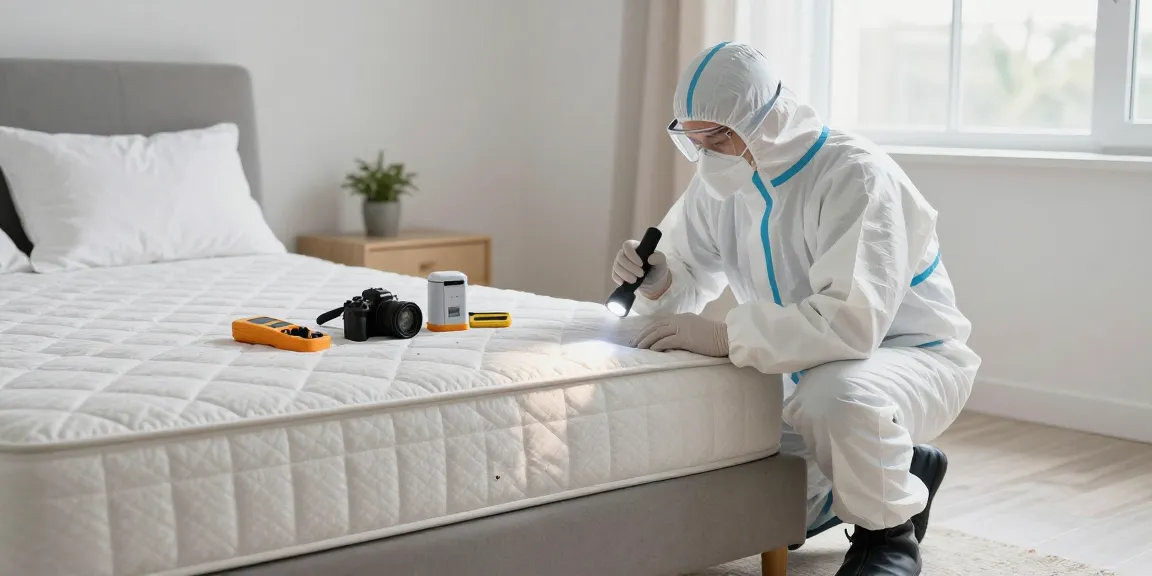
Understanding Bed Bugs: The Basics of Control
Bed bugs are tiny, elusive pests that have made a significant resurgence in recent years, leading to increased demand for effective bed bug control solutions. These blood-feeding insects can cause considerable discomfort and distress, making it essential to understand their behavior, habits, and control methods. This guide will provide you with a comprehensive overview of bed bugs, how to identify infestations, and the most effective control techniques available today.
What are Bed Bugs and Where Do They Hide?
Bed bugs, scientifically known as Cimex lectularius, are small, reddish-brown insects that primarily feed on human blood. They are approximately the size of an apple seed, making them difficult to spot without close inspection. Bed bugs are notorious for hiding in various crevices around the home, including:
- The seams of mattresses and box springs
- Behind headboards
- Couches and upholstered furniture
- Cracks in walls and floors
- In luggage, clothing, and used furniture
Due to their excellent hitchhiking ability, they can easily be transported into homes unnoticed, making vigilance crucial.
Common Misconceptions About Bed Bug Control
Many people erroneously believe that bed bugs only inhabit unclean environments. However, these pests can thrive in any setting, regardless of cleanliness. Another misconception is that DIY methods are adequate for total extermination. In reality, while DIY attempts may eliminate a few bugs, they are often not sufficient to eradicate an entire infestation. Professional pest control services provide comprehensive solutions that address all life stages of bed bugs, from eggs to adults.
Identifying Bed Bug Infestations: Signs and Symptoms
Recognizing bed bugs early is vital to preventing further spread and infestation. Common signs include:
- Itchy, red welts on the skin, often arising in clusters
- Small bloodstains on sheets and mattresses
- Dark, inky spots from fecal matter
- Eggs and molted skins in hiding spots
If you suspect a bed bug presence, immediate action is essential to control their spread effectively.
Effective Bed Bug Control Techniques: Heat vs. Chemical Treatments
When it comes to effective bed bug control, choosing the right treatment method can significantly influence the outcome. Two of the most popular approaches are heat treatment and chemical treatments, each with its unique advantages and considerations.
Benefits of Heat Treatment in Bed Bug Control
Heat treatment is a highly effective method that kills bed bugs and their eggs by raising the temperature of infested areas to lethal levels. This approach has several benefits:
- Non-toxic: Heat treatment eliminates the need for chemical pesticides, making it a safer option for homes with children and pets.
- Comprehensive Coverage: Heat penetrates furniture, walls, and other hiding spots, ensuring that all bed bugs are targeted.
- Rapid Results: Most heat treatments can eradicate bed bugs in a matter of hours, providing quick relief.
This method is particularly favored for its effectiveness against all life stages of bed bugs and the reduction of allergens such as dust mites.
Overview of Chemical Treatments: Residual Effects and Safety
Chemical treatments involve the application of insecticides that target bed bugs. These treatments can be highly effective when conducted by professionals, offering several advantages:
- Long-lasting protection: Many commercial-grade insecticides create residual barriers that can last up to 120 days, preventing re-infestation.
- Targeted application: Pest control professionals can apply chemicals in specific locations where bed bugs are likely to hide.
- Diverse options: Different classes of insecticides can be used, reducing the chances of bed bugs developing resistance.
However, the effectiveness of chemical treatments greatly depends on proper application and follow-up care to ensure all bed bugs are eradicated.
Choosing the Right Treatment for Your Situation
The choice between heat and chemical treatments largely depends on the severity of the infestation, your living situation, and personal preferences. A professional pest control service can assess your unique circumstances and recommend the best method for you. In many cases, combining both methods can yield the best results, providing immediate relief with heat and ongoing protection with chemicals.
Preparing for Bed Bug Control: Steps to Take Before Treatment
Effective preparation is critical to ensuring the success of any bed bug control strategy. By following these steps, you can facilitate the treatment process and maximize its effectiveness.
How to Prepare Your Home for Extermination
Before any treatment, it is essential to prepare your home adequately. This includes:
- Decluttering infested areas to allow for thorough treatment
- Washing and drying bedding, linens, and clothing on high heat
- Vacuuming carpets and furniture to remove visible bed bugs and eggs
- Moving furniture away from walls to create barriers for effective treatment
Your pest control provider will give you specific instructions tailored to your situation to help prepare your home.
What to Expect During the Treatment Process
During the treatment process, the pest control team will arrive to begin the extermination work. For heat treatments, specialized equipment will be used to raise the temperature in the affected areas. For chemical treatments, the application involves targeted sprays in identified hotspots. You should expect the treatment to take a few hours, after which your home may need to remain vacated for a specified period to ensure safety and effectiveness.
Post-Treatment Care: Ensuring Long-Term Success
Once the treatment is complete, follow-up care is crucial. This includes:
- Regular inspections of your home to catch any signs of bed bugs early
- Continuing to wash and dry bedding and clothes regularly
- Implementing preventive measures, such as encasements for mattresses and box springs
By taking these steps, you can help ensure that your home remains bed bug-free and avoid future infestations.
Real-World Case Studies: Proven Results in Bed Bug Control
Documenting real-world cases offers valuable insights into the effectiveness of various bed bug control methods. Here, we present successful treatments that illustrate the effectiveness of professional intervention.
Documenting Successful Treatments: Before and After
A notable case involved an apartment complex struggling with recurrent bed bug infestations. After employing a comprehensive heat and chemical treatment plan, visual inspections revealed a significant reduction in bed bug presence, with follow-up evaluations confirming zero activity within three months.
Client Testimonials: Experiences with Our Services
Clients have reported high satisfaction levels with professional bed bug control services. One residential client noted, “I was at my wit’s end with the bites and stains. After calling Affordable Bed Bug Exterminators, they quickly assessed the situation and effectively eliminated the issue—truly a lifesaver!”
Lessons Learned from Real Treatments: Effective Strategies
Through these documented experiences, the importance of immediate action and professional intervention becomes clear. Many clients learned that early detection and comprehensive treatment plans significantly reduce stress and costs associated with bed bug infestations.
Future of Bed Bug Control: Innovations and Trends for 2026
The pest control industry is continuously evolving, and bed bug control is no exception. As we look toward 2026, several exciting trends and technologies are emerging that promise to enhance effectiveness and convenience in the battle against bed bugs.
Emerging Technologies in Pest Control
Technology plays a crucial role in advancing pest control methods. Innovations such as thermal imaging and smart traps are beginning to change how exterminators identify and treat infestations. These tools provide more accurate assessments and quicker, more targeted treatments.
Eco-Friendly Approaches to Bed Bug Management
With growing awareness about environmental issues, there is a strong push toward eco-friendly pest control solutions. Heat treatment, as mentioned earlier, is an excellent example. Additionally, new insecticides are being developed with reduced toxicity levels, making them safer for both humans and pets.
Predictions for Bed Bug Control Methods in 2026 and Beyond
As we progress, we can expect more integrated pest management approaches that combine various techniques for maximum effectiveness. These methods will likely include ongoing monitoring and preventive measures to stop bed bugs before they become a severe issue.
What Should You Do If You Suspect a Bed Bug Problem?
If you suspect bed bugs, it is crucial to act quickly. Check for signs of infestation, and if necessary, contact a pest control professional for an inspection. Early detection is key to successful control.
How Can Professional Services Help with Bed Bug Control?
Engaging professional services for bed bug control not only ensures thorough extermination but also provides peace of mind. Trained technicians can identify all potential hiding spots, use effective treatment methods, and offer long-term protection strategies to keep your home bed bug-free. Their expertise allows for customized plans that take your specific situation into account, ensuring the best possible outcomes.