
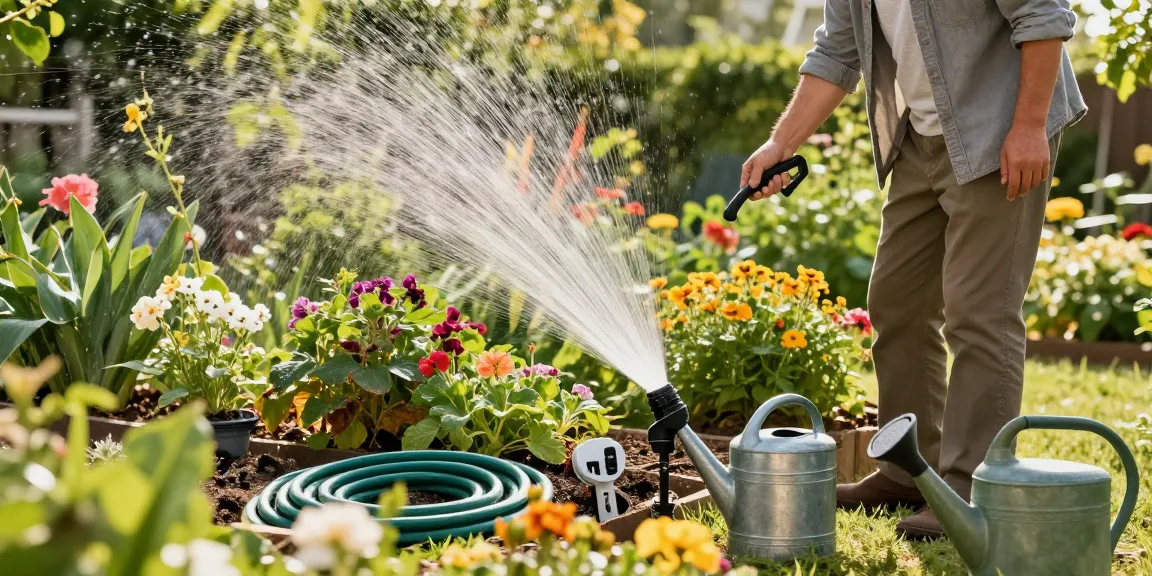
Understanding the Rainpoint Water Timer: Features and Benefits
The rainpoint water timer offers an innovative solution for gardening enthusiasts looking to streamline their watering process. This advanced technology not only simplifies watering routines but also plays a crucial role in conserving water resources. As climate change continues to affect water availability, smart irrigation systems like RainPoint are becoming essential for any gardener wanting to maintain a healthy garden while being environmentally responsible.
What is the Rainpoint Water Timer?
The Rainpoint Water Timer is an automated sprinkler system designed to efficiently manage the watering needs of plants and gardens. With the ability to set schedules, monitor water usage, and adjust to environmental conditions, these timers ensure that plants receive the right amount of moisture at the right times. It eliminates the guesswork associated with traditional watering methods.
Key Features of Rainpoint Models
- WiFi Connectivity: Allows for remote monitoring and control through a smartphone app.
- Soil Moisture Sensors: Detects current soil moisture levels to optimize watering schedules.
- Customizable Schedules: Users can set specific watering times, frequencies, and durations.
- Data Tracking: Provides insights into water usage, enabling efficient water management.
- Robust Design: Weather-resistant materials ensure durability for outdoor use.
Benefits of Using a Water Timer in Your Garden
Utilizing a water timer like the Rainpoint model comes with numerous benefits. First, it ensures that plants receive consistent watering, which is crucial for their growth and vitality. Second, automated watering reduces the possibility of overwatering or underwatering, both of which can be detrimental to plant health. Finally, these systems are instrumental in conserving water, which is paramount in regions facing drought or water restrictions.
Common Misconceptions About Rainpoint Water Timers
Is Automatic Watering Less Effective?
A prevalent concern among gardeners is that automated systems may not be as effective as manual watering. However, studies have shown that automated watering can be tailored to the specific needs of plants, ensuring optimal moisture levels. Rainpoint water timers allow customization based on plant types, soil composition, and weather conditions, making them as effective, if not more so, than traditional methods.
Do Water Timers Waste Water?
Another common myth is that water timers contribute to water waste. In reality, when programmed correctly, water timers can significantly reduce waste by delivering precise amounts of water at the optimal times. Features like soil moisture sensors help prevent excess watering, contributing to efficient water usage.
Are Rainpoint Timers Suitable for All Plant Types?
Many gardeners worry that automatic systems may not cater to specific plant needs. Rainpoint timers are designed to accommodate various plant types, from delicate flowers to robust shrubs. By adjusting schedules and utilizing moisture sensors, users can create an effective watering strategy that meets their garden’s unique requirements.
Setting Up Your Rainpoint Water Timer: A Step-by-Step Guide
Initial Setup and Connection to WiFi
Setting up your Rainpoint Water Timer is a straightforward process. Begin by connecting the timer to an outdoor faucet. Once connected, download the Rainpoint app on your smartphone and follow the prompts to configure the device. Ensure your WiFi connection is stable for seamless operation and remote access.
Customizing Watering Schedules
Once connected, you can easily customize watering schedules through the app. Set specific times and durations for each watering session, ensuring they align with your plants’ needs. The user-friendly interface makes it easy to adjust settings on the go, so you can respond to changes in weather or plant growth.
Integrating Soil Moisture Sensors for Optimization
To get the most out of your Rainpoint Water Timer, consider integrating soil moisture sensors. These devices provide real-time moisture levels directly to your app, allowing for precision watering. When soil moisture is adequate, the timer can automatically delay watering, ensuring plants receive only what they need, thus optimizing water usage.
Maximizing Efficiency with Rainpoint Products
Best Practices for Watering Various Plant Types
Different plants have varying watering needs. For instance, succulents and cacti require much less moisture compared to flowers or vegetable gardens. Tailor your watering schedule and duration according to plant types. Regularly adjust settings based on seasonal changes and growth stages to ensure plants thrive.
Using Data from Your Timer for Optimal Growth
The data provided by your Rainpoint Water Timer can inform your gardening practices. Analyze water consumption trends to identify which plants are thriving and which may need additional attention. This data-driven approach enables you to make informed decisions about plant care and irrigation practices.
Maintenance Tips for Longevity and Performance
Maintaining your Rainpoint water timer is essential for longevity. Regularly check for any clogs or debris in the filter and clean the device according to the manufacturer’s recommendations. Additionally, ensure that software updates are applied regularly to benefit from new features and improvements.
Future Trends in Smart Gardening: What to Expect in 2026
Emerging Technologies in Irrigation
The smart gardening industry is evolving rapidly, with new technologies making their way into the market. Expect innovations such as AI-assisted watering systems and sensors that can predict weather patterns and adjust watering schedules proactively, which will further enhance efficiency.
The Role of AI in Smart Watering Solutions
Artificial intelligence will play a significant role in the future of gardening tools like the Rainpoint water timer. AI can analyze historical data and environmental factors to optimize watering patterns, significantly reducing water waste while promoting healthier plant growth.
Environmental Benefits of Smart Watering Practices
As smart watering practices become more prevalent, the environmental benefits will be substantial. Reduced water consumption aids in preserving local water resources and ecosystems, which is critical as climate challenges intensify. Gardeners will be able to maintain lush gardens while also being environmentally responsible.
How to Participate in the RainPoint Community
Joining the RainPoint community can enhance your gardening experience. Engage with fellow users through social media platforms, such as the RainPoint Facebook Group. Participants share tips, strategies, and exclusive promotions, creating a valuable support network for all users.
Exclusive Promotions and Events for RainPoint Users
Stay informed about upcoming promotions and events by subscribing to the RainPoint newsletter. Members gain access to exclusive offers, product launches, and gardening tips tailored to optimize the use of RainPoint products.