
Understanding Orthopedic Accessories
Orthopedic accessories play a crucial role in the field of rehabilitation and recovery from musculoskeletal injuries. These devices, which range from braces to splints and supports, are designed to assist individuals in their healing process by providing stability, support, and mobility. As we move forward in 2026, the importance of these accessories continues to grow, with innovations that cater to the specific needs of patients in various stages of healing. When exploring options, orthopedic accessories can offer comprehensive insights into specific products that can enhance recovery.
What Are Orthopedic Accessories?
Orthopedic accessories are specialized products designed to support and enhance recovery for individuals dealing with musculoskeletal disorders or injuries. These accessories serve multiple purposes, including immobilization, protection, and support. They can be categorized into several types based on their function and the area of the body they assist.
Importance in Recovery and Rehabilitation
The role of orthopedic accessories in recovery is multifaceted. They not only assist in stabilizing injured areas but also facilitate rehabilitation by enhancing the effectiveness of physical therapy. Properly used, these accessories can significantly reduce pain, restore function, and improve quality of life. In many cases, they are critical in preventing further injury during the healing process.
Types of Orthopedic Accessories Available
Orthopedic accessories come in various forms, each tailored to suit specific needs. Some of the commonly used types include:
- Braces: These are often used to support limbs, joints, or the spine and can be adjustable for varying levels of support.
- Splints: Designed to immobilize a specific part of the body, splints are essential for acute injuries.
- Casts: Typically used for fractures, casts encase the entire limb to ensure proper alignment during healing.
- Supportive footwear: Specialized shoes or insoles that provide additional support for the feet and lower limbs.
- Compression garments: These help to reduce swelling and promote circulation.
Choosing the Right Orthopedic Accessories
Selecting the appropriate orthopedic accessory is vital for effective treatment and recovery. The right choice can make a significant difference in a patient’s journey toward healing.
Factors to Consider When Selecting Accessories
When choosing orthopedic accessories, several factors must be taken into account:
- Type of injury: Understanding the specific injury will help in selecting a matching accessory.
- Level of support required: Patients may need different levels of support based on their activities and recovery stage.
- Comfort and fit: Accessories should be comfortable and fit well to avoid further complications.
- Cost and availability: Consideration of budget constraints and the accessibility of products is essential.
- Professional recommendations: Consulting healthcare providers can lead to informed choices.
Common Misconceptions About Orthopedic Accessories
There are many misconceptions surrounding the use of orthopedic accessories, including:
- They are only for serious injuries: Many accessories can benefit mild injuries and preventive measures.
- They limit mobility: Many modern designs are made to enhance mobility while providing support.
- All products are the same: Each accessory has unique features; it’s essential to choose according to specific needs.
How to Assess Quality and Effectiveness
Evaluating the quality of orthopedic accessories is crucial for ensuring recovery success. Look for products that:
- Are made from durable materials.
- Have adjustable features for customized fit.
- Come with positive reviews or endorsements from healthcare providers.
- Meet medical standards and certifications.
Best Practices for Using Orthopedic Accessories
To maximize the effectiveness of orthopedic accessories, it’s essential to follow best practices in their usage.
Guidelines for Safe and Effective Usage
Here are some guidelines to ensure safe and effective use:
- Follow instructions: Always adhere to the usage guidelines provided by your healthcare professional or the product manufacturer.
- Regularly check for fit: As recovery progresses, the fit of the accessory may change. Regular adjustments may be necessary.
- Combine with physical therapy: Use accessories in conjunction with prescribed therapy to enhance recovery.
Combining Accessories with Physical Therapy
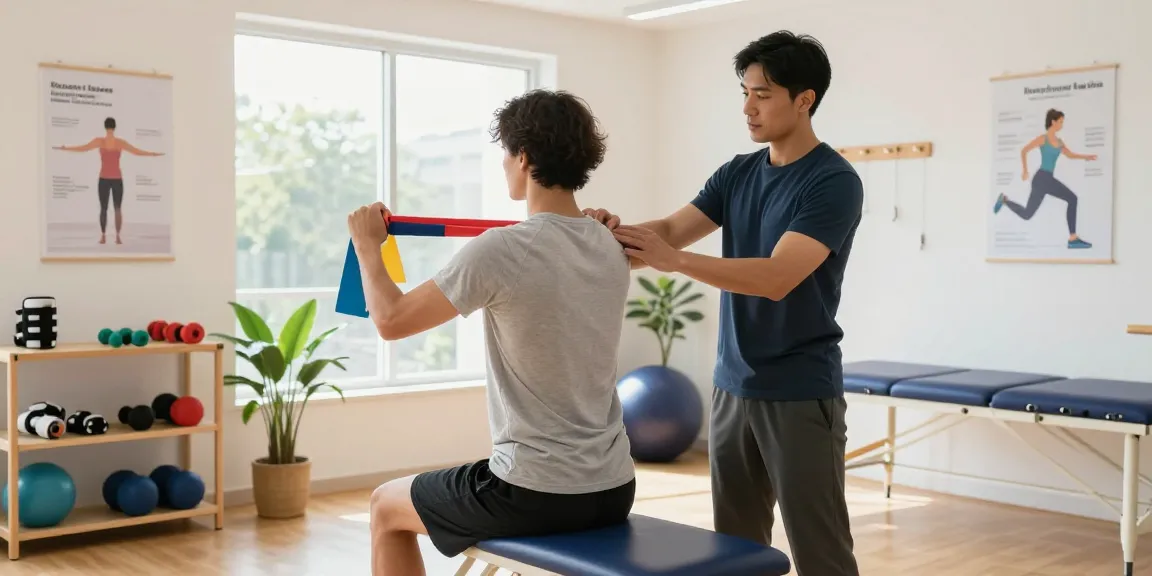
Integrating orthopedic accessories with a physical therapy regimen can significantly enhance recovery outcomes. Accessories should be viewed as tools that facilitate movement and enable exercises prescribed by therapists, rather than as replacements for active rehabilitation.
Tracking Progress and Adjusting Use
Monitoring recovery progress is essential in determining the effectiveness of your orthopedic accessory. Keeping a journal of your recovery experiences can help identify the effectiveness of the accessory and inform necessary adjustments or changes in treatment.
Real-World Examples and Case Studies
Real-world applications of orthopedic accessories provide insightful case studies that highlight their benefits and effectiveness.
Successful Rehabilitation Stories Using Orthopedic Accessories
Many patients have documented their journeys of recovery using various orthopedic accessories. For example, a young athlete recovering from an ACL injury reported a significant reduction in pain and an acceleration in recovery time using a custom knee brace that provided stability during rehabilitation exercises.
Expert Insights on Accessory Utilization
Healthcare professionals emphasize the role of orthopedic accessories in improving outcomes. Experts recommend individualized assessments to ensure that patients receive the correct accessories tailored to their specific needs.
Emerging Trends in Orthopedic Solutions for 2026
As we look toward 2026, innovations in orthopedic accessories are rapidly evolving. Smart devices that track activity levels and adjust support based on motion are among the most exciting developments in the field.
The Future of Orthopedic Accessories
The future of orthopedic accessories is promising, incorporating advanced designs and materials that cater to the diverse needs of patients.
Predictions for Advances in Design and Functionality
Future orthopedic accessories are expected to incorporate features such as:
- Customization: Enhanced technologies will allow for personalized fitting and adjustments.
- Enhanced mobility: Designs will focus on maintaining natural movement while providing required support.
- Integration with technology: Smart accessories that connect with apps to monitor recovery and guide users.
Technological Innovations in Orthopedic Support
Emerging technologies, such as 3D printing, are revolutionizing the production of orthopedic accessories, allowing for rapid prototyping and customized designs that cater to individual patient needs.
How the Role of Accessories Will Evolve in Healthcare
As healthcare continues to evolve, the role of orthopedic accessories will likely expand. They will serve not only as support devices but also as essential tools in preventive care and proactive rehabilitation strategies.
What are the benefits of using orthopedic accessories?
Orthopedic accessories offer numerous benefits, including support for healing, pain relief, injury prevention, and improved mobility. They facilitate the recovery process, allowing individuals to maintain a level of activity while healing.
When to consult a professional for orthopedic advice?
Consultation with a healthcare provider is recommended whenever an injury occurs, or if existing pain persists. Professionals can provide tailored recommendations on the most suitable orthopedic accessories.
How to maintain orthopedic accessories for longevity?
To ensure longevity, keep orthopedic accessories clean, store them in a safe place when not in use, and regularly inspect them for wear and tear. Professional cleaning and maintenance may also be advised.
Are there any risks associated with using orthopedic accessories?
While orthopedic accessories are generally safe, there can be risks such as skin irritation, incorrect fit leading to discomfort, or dependency on the accessory itself. It is important to use these tools as directed by healthcare professionals.
What materials are commonly used in orthopedic accessories?
Orthopedic accessories are typically made from materials such as breathable fabrics, plastics, and metals—each chosen for its specific properties, such as flexibility, support, and durability.