
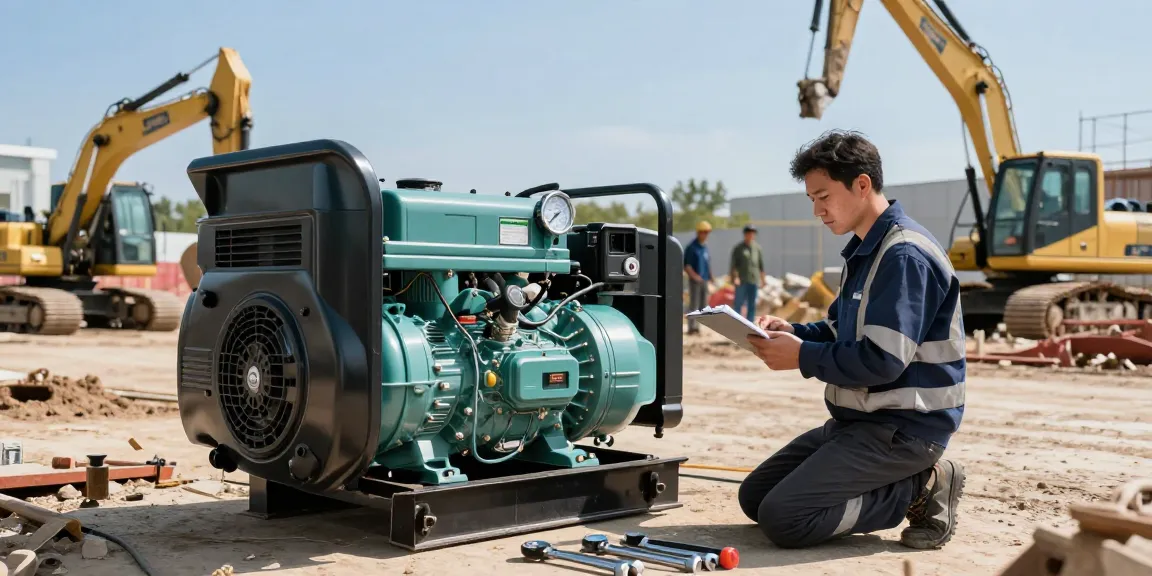
Understanding Diesel Generators
Diesel generators are highly reliable and durable power solutions used across various industries. They combine the robustness of diesel engines with electric generators to deliver consistent electricity in a range of applications. As the world increasingly seeks efficient power solutions, understanding the fundamentals of diesel generators becomes essential for both businesses and homeowners looking to secure their energy needs.
What is a Diesel Generator?
A diesel generator, often referred to as a genset, is a combination of a diesel engine and an electrical generator (usually an alternator) that converts mechanical energy into electrical energy. Manufacturers design these units for various capacities, making them suitable for applications ranging from small residential backup units to large industrial power systems.
How Diesel Generators Work
At their core, diesel generators operate on a straightforward principle: the diesel engine powers a generator that produces electricity. When diesel fuel ignites within the engine, it creates a series of controlled explosions, which then push pistons that rotate the engine’s crankshaft. This rotational energy is then converted into electrical energy by the alternator. Thus, the generator continuously provides power as long as there is sufficient diesel fuel available.
Benefits of Using Diesel Generators
Diesel generators offer several advantages, making them a popular choice for power generation:
- Fuel Efficiency: Diesel engines are more fuel-efficient than gasoline engines, allowing them to produce more power per liter of fuel consumed.
- Durability: Diesel generators are known for their robust construction and can withstand heavy usage and harsh weather conditions.
- Long Lifespan: With proper maintenance, diesel generators can operate for decades, providing a reliable power source.
- Low Operating Costs: While the initial investment may be higher, the long-term savings on fuel and maintenance make diesel generators a cost-effective option.
Choosing the Right Diesel Generator
As you explore options for Diesel generators, it’s crucial to understand the specific requirements of your application. This includes assessing factors such as power needs, mobility, fuel type, and budget.
Factors to Consider When Selecting a Diesel Generator
Choosing the right diesel generator involves several considerations:
- Power Output: Determine the total wattage required for your applications. This will guide you in selecting a generator with the appropriate capacity.
- Type of Use: Consider whether you need a portable generator for occasional use or a stationary unit for continuous power supply.
- Noise Levels: Diesel generators can be noisy, so if sound levels are a concern, look for quieter models or invest in soundproof enclosures.
- Emissions Standards: Ensure that your selected generator meets local environmental regulations regarding air pollution.
Common Applications and Use Cases
Diesel generators are versatile and can be used in a variety of settings:
- Construction Sites: They provide essential power for tools and lighting on job sites.
- Emergency Backup Power: Businesses and homes rely on diesel generators for backup electricity during outages.
- Event Power Supply: Diesel generators are often used at outdoor events to power equipment and lighting.
- Agricultural Use: Farms depend on diesel generators for irrigation systems, refrigeration, and general power needs.
Top Brands and Models of Diesel Generators in 2026
As the market evolves, several brands have emerged as leaders in the diesel generator space. Some notable brands include:
- Cummins: Known for their reliability and innovative technology, Cummins generators are widely used in various applications.
- Generac: With a focus on user-friendly designs, Generac offers a range of products suitable for home and commercial use.
- John Deere: Their diesel generators are favored for their durability in demanding industrial environments.
- Atlas Copco: Known for portable generators, Atlas Copco units excel in mobility and efficiency.
Installation and Maintenance of Diesel Generators
Steps for Proper Installation
Installing a diesel generator requires careful planning and execution to ensure safety and optimal performance:
- Site Selection: Choose a location that complies with local regulations and provides adequate ventilation.
- Foundation Preparation: A sturdy, level foundation will help stabilize the unit and minimize vibrations.
- Electrical Connections: Engage a qualified electrician to handle the wiring and ensure proper connection to your electrical system.
- Fuel Supply Setup: Ensure a consistent and reliable source of diesel fuel is accessible to the generator.
Maintenance Best Practices
Regular maintenance is essential for the longevity of your diesel generator. Here are some best practices:
- Schedule routine inspections to check for wear and tear.
- Change the oil and filters as recommended by the manufacturer.
- Test the generator under load periodically to ensure it operates efficiently.
- Keep the fuel system clean and monitor for any leaks or issues.
Safety Considerations When Using Diesel Generators
Safety must always be a priority when operating diesel generators:
- Ventilation: Ensure the generator is placed in a well-ventilated area to prevent the accumulation of harmful fumes.
- Fuel Handling: Follow safe practices for storing and handling diesel fuel to avoid spills or accidents.
- Electrical Safety: Always use proper protective gear and follow electrical safety protocols when operating the generator.
Cost and Efficiency of Diesel Generators
Initial Investment vs. Long-term Savings
While diesel generators can be more expensive initially compared to other power sources, their efficiency and longevity often lead to significant cost savings in the long run. By providing reliable power, they can help prevent costly downtime in businesses and ensure that homeowners have electricity during outages.
Fuel Efficiency Ratings Explained
Fuel efficiency is a critical factor when evaluating diesel generators. Most manufacturers provide a fuel consumption rate, typically measured in liters per hour (l/h) at full load. Understanding this metric allows users to estimate operating costs and make informed purchasing decisions.
Comparing Diesel Generators to Other Power Sources
When comparing diesel generators to other power solutions, such as gasoline generators or electric grids, several factors should be considered:
- Cost: Diesel generally offers a lower cost per kilowatt-hour compared to gasoline.
- Efficiency: Diesel engines are typically more efficient than their gasoline counterparts, producing more energy from the same amount of fuel.
- Environmental Impact: Diesel generators emit more pollutants than electric sources but may be necessary in remote areas without access to electricity.
The Future of Diesel Generators in Energy Solutions
Emerging Technologies and Innovations by 2026
The diesel generator industry is witnessing innovations aimed at improving efficiency and reducing environmental impact. Hybrid technologies that combine diesel with renewable energy sources, such as solar panels, are increasing in popularity, providing a more sustainable energy solution.
Environmental Impact and Regulations
As environmental regulations tighten, the diesel generator industry is evolving to meet stricter emission standards. Manufacturers are developing cleaner technologies and incorporating advanced filtration systems to minimize pollutants.
Trends in Diesel Generator Usage Across Industries
Diesel generators are increasingly being used in diverse industries like telecommunications, healthcare, and data centers, where reliable power is critical. The trend toward more significant reliance on off-grid power solutions continues to grow as industries seek to enhance energy security.
What Are Diesel Generators Used for?
Diesel generators are used widely for:
- Backup power for businesses and residences
- Continuous power supply in remote locations
- Powering heavy machinery on construction sites
- Supporting critical infrastructure like hospitals and data centers
How Do Diesel Generators Compare to Electric Generators?
While electric generators are often quieter and more environmentally friendly, diesel generators provide superior power output and longer operational durations without the need for frequent refueling. This makes diesel generators more suitable for critical applications where reliability is paramount.
What Are the Benefits of Using Diesel Generators?
Benefits include:
- Higher efficiency and longer runtime
- Cost-effectiveness for large-scale power needs
- Robustness in challenging environments
- Less frequent refueling due to greater energy density of diesel fuel
What is the Lifespan of a Diesel Generator?
With proper care and maintenance, diesel generators can last between 20 to 30 years. Regular servicing, timely oil changes, and adherence to operational guidelines significantly enhance their lifespan.
Why Choose a Diesel Generator for Your Home?
Homeowners may opt for diesel generators for their ability to handle heavy loads during outages, ensuring that essential appliances remain powered. Their efficiency and reliability make them a compelling choice for long-term investments in home energy solutions.
Are Diesel Generators Noisy?
While diesel generators tend to be noisier than some alternatives, advancements in technology have led to quieter models designed for residential use. For more information, diesel genset offers valuable insights. Installing soundproof enclosures and placing the generator away from living areas can further mitigate noise concerns.


