Innovative Image to Prompt Techniques for Creative Artists in 2026
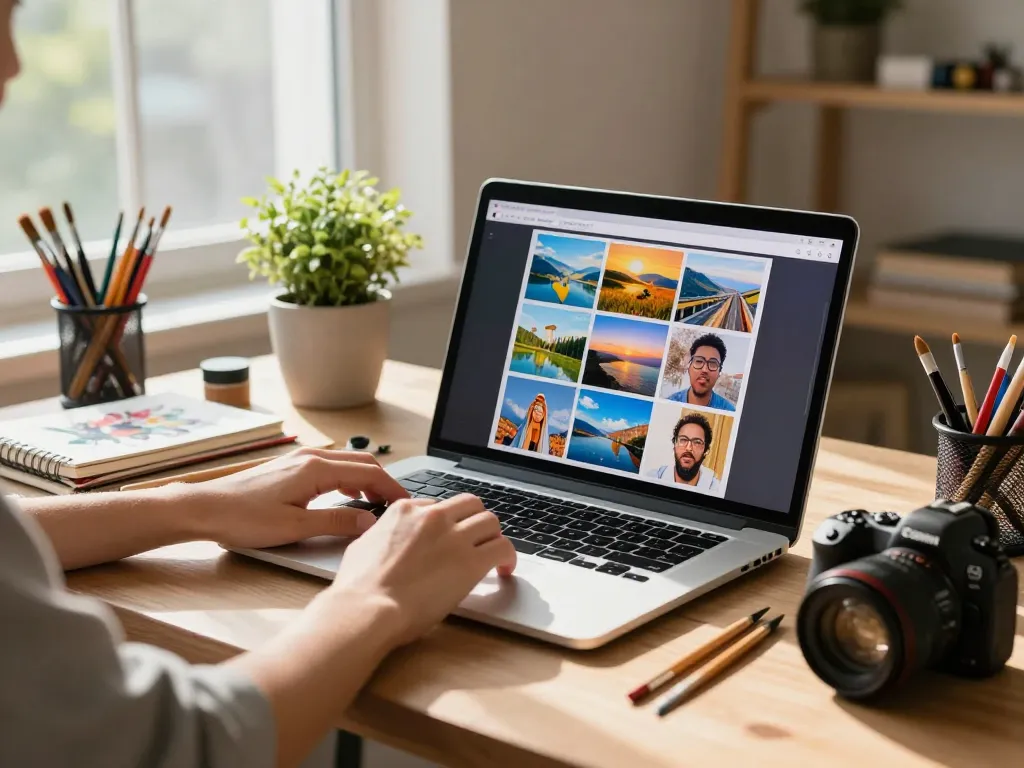
Understanding the Image to Prompt Tool
In the realm of creative workflows, the image to prompt tool has emerged as a revolutionary resource, enabling artists and designers to transition seamlessly from visual inspiration to actionable text prompts. This transformative technology leverages advanced artificial intelligence to analyze images, extracting vital elements that can be articulated in natural language. Whether you’re an AI enthusiast, a digital artist, or a designer looking to enhance your creative projects, understanding the benefits and functionalities of the image to prompt generator is crucial for maximizing your artistic output.
What is an Image to Prompt Generator?
An Image to Prompt Generator is an innovative AI-powered tool designed to convert visual stimuli into descriptive text prompts. By analyzing the content of an uploaded image—its composition, subject, lighting, and overall aesthetic—the generator produces a detailed text description that can be utilized in various AI art platforms like Midjourney, Stable Diffusion, and Flux. This process essentially reverse-engineers the visual elements of an image, creating a bridge between the seen and the described.
Core Benefits of Using Image to Prompt
The primary advantages of employing an image to prompt generator include:
- Enhanced Creativity: By transforming images into words, artists can explore different interpretations and contextualize their visual ideas more clearly.
- Time Efficiency: The tool significantly reduces the time spent brainstorming prompts, allowing artists to focus on creation rather than ideation.
- Model-Specific Optimization: It adapts to different AI models, tailoring the language of the prompts for optimal results across platforms.
- Accessibility: Users can generate prompts from any image, making art creation more accessible for individuals regardless of their writing skills.
How Image to Prompt Enhances Artistic Expression
Artistry thrives on inspiration and expression, and the Image to Prompt tool serves as a catalyst for both. By providing a textual framework that a creator can manipulate, it encourages exploration of themes and concepts within their artwork. Artists can use the descriptive prompts to guide their visual creativity, ensuring that the output aligns more closely with their artistic vision.
How to Effectively Use the Image to Prompt Tool
Step-by-Step Guide to Generating Prompts
To harness the full potential of the image to prompt generator, follow these simple steps:
- Upload Your Image: Start by dragging and dropping your reference image or selecting one directly from your device. Supported formats include JPEG, PNG, and WebP.
- Select Your AI Model: Choose the appropriate AI model that aligns with your creative goals—options include Midjourney, Stable Diffusion, and others.
- Generate Your Prompt: Click the generate option and receive a descriptive text prompt tailored to your chosen model.
Choosing the Right AI Model for Your Needs
The effectiveness of your generated prompt can depend on the AI model you choose. Each model has different strengths. For instance:
- Midjourney: Ideal for artistic and stylistic descriptors, focusing on mood and visual poetry.
- Stable Diffusion: Provides precise keywords emphasizing detailed characteristics of the image.
- Flux: Optimized for state-of-the-art models, yielding concise and impactful language.
- Nano Banana: Focuses on creative and quirky prompts that encourage unique artistic experimentation.
Common Mistakes to Avoid When Using Image to Prompt
While using the Image to Prompt tool, here are common pitfalls to watch out for:
- Uploading Poor Quality Images: Low-resolution images may lead to inaccurate prompts.
- Ignoring Model Specifications: Failing to select the right AI model can result in less effective outputs.
- Overlooking Prompt Iteration: Artists should experiment with multiple images and variations to refine their results.
Optimizing Your Creative Workflow
Integrating Image to Prompt into Your Art Process
Incorporating the image to prompt generator into your creative process can significantly enhance productivity. Here’s how:
- Routine Usage: Make prompt generation a regular part of your brainstorming sessions.
- Feedback Loop: After creating art based on generated prompts, evaluate the effectiveness and refine future images accordingly.
- Documentation: Keep a record of prompts and corresponding artworks to establish a database of inspirations.
Building a Library of Image Prompts
Creating a library of image prompts allows artists to have a personalized set of inspirations at their disposal. Tips include:
- Categorization: Sort prompts by themes, colors, or styles for easy accessibility.
- Version Control: Maintain versions of prompts to track changes and adaptations over time.
- Regular Updates: Continuously add new prompts as you refine your artistic direction and explore new ideas.
Case Study: Successful Use of Image to Prompt in Art Creation
A notable example comes from a group of digital artists who participated in a collaborative project. By utilizing the image to prompt generator, they transformed a collection of everyday photographs into a cohesive visual narrative. Each artist uploaded different images, generated tailored prompts, and created artworks that resonated with the original themes in the photos while reflecting their unique styles. This synergy exemplified how the tool could enhance collaborative art projects.
Advanced Techniques for Seasoned Users
Mastering Multi-Model Prompts for Unique Outcomes
For experienced users, mastering the nuances of multi-model prompts can lead to uniquely impactful artworks. Engage in the following practices:
- Cross-Pollination: Experiment with prompts generated specifically for different models to discover hybrid styles.
- Layering Descriptions: Combine prompts from multiple models to create richer, more complex outputs.
Leveraging AI for Video Prompt Generation
As AI video generation technology advances, leveraging the image to prompt tool for video prompts becomes essential. This involves:
- Frame Analysis: Use the generator to analyze reference frames from existing video content for consistency.
- Descriptive Detailing: Feed AI video generators rich and vivid prompts to achieve greater visual fidelity.
Configuring Prompts for Maximum Impact in AI Models
Understanding how to configure prompts can significantly affect the output quality. Consider the following:
- Keyword Prioritization: Prioritize keywords based on the strengths of your selected AI model.
- Style Adaptations: Modify prompts to match the unique language and structure preferences of different AI tools.
Future Trends and Innovations in AI Art Generation
Emerging AI Technologies and Their Impact on Art
The future of AI in art generation is poised for transformative changes. Emerging technologies such as generative adversarial networks (GANs) and advanced neural networks will likely enhance the capabilities of tools like the image to prompt generator. This evolution will open up new avenues for creativity, enabling artists to create more sophisticated artworks with even less effort.
Ethical Considerations in AI Art Generation
As the capabilities of AI art generation expand, so too do the ethical implications. Questions surrounding copyright, originality, and the role of the artist are becoming increasingly relevant. Artists should consider these issues seriously and strive for transparent practices in their AI-enhanced work.
Preparing for AI-Driven Changes in the Creative Landscape
To thrive in an increasingly AI-driven environment, artists and designers must adapt to changing creative paradigms. This includes upskilling in AI tools, embracing collaborative technologies, and staying informed about the latest developments and ethical considerations in AI art generation.
What are the best practices for using an image to prompt generator?
Best practices include selecting high-quality images, choosing appropriate AI models based on your goals, and experimenting with various prompts to find the most effective descriptions.
Can I use old photos with the image to prompt tool?
Yes, the tool can generate prompts from old photos or sketches, making it a valuable resource for artists working with historical or nostalgic themes.
Is the image to prompt service free or paid?
The service is available for free, allowing users to generate high-quality prompts without any financial barriers, making it accessible for all types of creators.
How fast can I receive my generated image prompts?
With a high-speed inference engine, results can be delivered in seconds, facilitating a quick and efficient creative process.
Do you store the images uploaded for prompts?
No, all uploaded images are processed in real-time and immediately discarded from our servers, ensuring user privacy and security.