Understanding the Process of bóc ép plastic tại hà nội
The process of bóc ép plastic tại hà nội is taking the HVAC industry by storm, offering a versatile approach to enhancing product quality and durability. In the world of manufacturing and product design, the term bóc ép plastic refers to the lamination and encapsulation of plastic materials, which is particularly critical in environments where durability, longevity, and aesthetic value are paramount. This article delves into the intricacies of the bóc ép plastic process, defining its key components, exploring its applications in various industries, and outlining the benefits and challenges associated with its implementation.
What is bóc ép plastic?
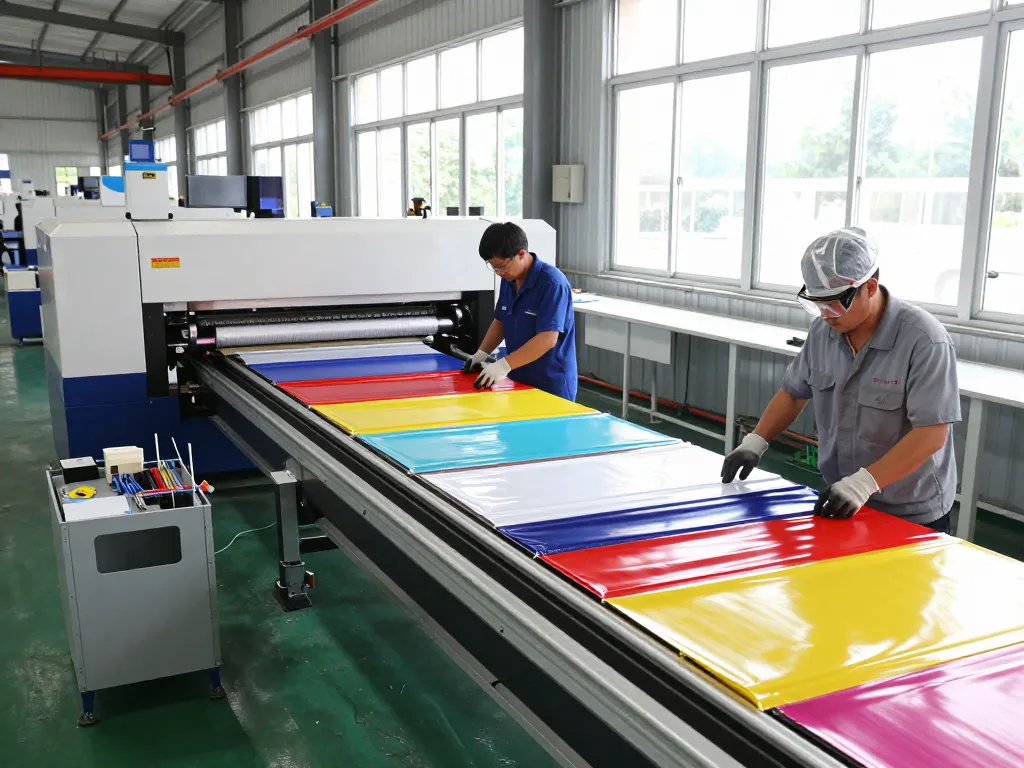
Bóc ép plastic is a technique that involves layering plastic materials to create a composite that incorporates the beneficial properties of each layer. The process typically involves heat and pressure, which bond the layers together, creating a durable and often aesthetic final product. This method is widely adopted in various sectors, including packaging, automotive, electronics, and construction, due to its ability to enhance product performance while providing flexibility in design.
Key Components of the Process
The bóc ép plastic process comprises several key components that play a crucial role in its effectiveness:
- Adhesives: The choice of adhesive used is essential, as it determines the bond strength between the layers. Various adhesives, including thermoplastics and thermosetting agents, can be utilized depending on the operational requirements.
- Heat and Pressure: Most bóc ép processes involve heating the layers and applying pressure to ensure a strong bond. This can be achieved through various methods, including hot rollers, presses, or oven systems.
- Material Selection: The materials chosen for lamination can vary widely, from PVC and PET to specialized composites designed for specific applications.
Common Applications in Industry
Numerous industries benefit from bóc ép plastic techniques, particularly where enhanced protection and durability are required. Common applications include:
- Packaging: Laminated plastics are widely used in food packaging to extend shelf life and protect products from external contaminants.
- Automotive: In the automotive industry, bóc ép techniques are applied to create lightweight yet durable parts, providing both safety and efficiency.
- Electronics: The encapsulation of electronic components with laminated plastics helps in safeguarding against moisture and physical damage.
- Construction: Bóc ép plastic is used in the production of architectural elements, improving weather resistance and overall aesthetics.
Benefits of Bóc Ép Plastic Techniques
Improved Product Durability and Quality
One of the most significant advantages of bóc ép plastic is the enhanced durability it provides. By combining different materials, manufacturers can produce items that are resistant to wear, tear, and environmental factors. This is particularly vital in sectors where products are subjected to harsh conditions, such as construction and automotive.
Cost-Effectiveness and Efficiency
Implementing bóc ép plastic techniques can lead to significant cost savings. The durability of laminated products often translates to longer lifespans, reducing the need for replacements and repairs. Furthermore, the efficiency of the lamination process itself—especially with modern automation—can streamline production and minimize waste.
Environmental Considerations and Sustainability
With increasing environmental concerns, the use of sustainable materials in bóc ép plastic processes is gaining traction. Many companies are now focusing on renewable or recyclable materials, helping to reduce their carbon footprint while maintaining product quality.
Challenges in Bóc Ép Plastic Implementation
Technical Challenges and Solutions
While the benefits are substantial, there are also challenges to consider when implementing bóc ép plastic techniques. Technical issues can arise, such as difficulties in adhesive selection or achieving uniform pressure and heat distribution during processing. Investing in advanced machinery and ongoing staff training can mitigate these challenges.
Regulatory Compliance and Standards
Compliance with industry regulations and standards is crucial. Companies must ensure that their bóc ép plastic processes meet local and international standards, particularly in industries such as food packaging and electronics, where safety is paramount.
Market Competition and Innovation
As with any industry, competition in the bóc ép plastic sector is fierce. Companies must continually innovate and adopt the latest technologies to stay ahead. This can include investing in research and development to explore new materials or processes that offer better performance.
Best Practices for Bóc Ép Plastic in 2026
Advanced Techniques and Technology Utilization
Looking towards 2026, the adoption of advanced technologies such as automation and artificial intelligence in the bóc ép plastic process is expected to increase. These innovations can enhance precision, reduce human error, and improve overall efficiency.
Quality Control Measures
Implementing robust quality control measures is vital to ensure the reliability of products produced through bóc ép techniques. Regular testing and inspections during the manufacturing process can help identify and rectify issues before final production.
Training and Development for Workforce
The workforce plays a crucial role in the success of bóc ép plastic processes. Ongoing training and development are essential to equip employees with the knowledge and skills needed to operate advanced machinery and understand the intricacies of the lamination process.
Future Trends in Plastic Lamination Techniques
Emerging Technologies and Innovations
In the coming years, emerging technologies such as 3D printing and biodegradable materials are likely to influence the bóc ép plastic landscape. These innovations can open new avenues for product design and sustainability.
Market Forecasts and Industry Growth
The bóc ép plastic market is poised for growth as industries continue to seek durable and cost-effective solutions. Market forecasts indicate a rising demand across sectors, particularly in Asia, where manufacturing capabilities are expanding.
Expert Insights and Predictions for 2026
Industry experts predict that by 2026, the adoption of digital solutions will transform bóc ép plastic processes, enhancing efficiency and production capabilities. Companies that embrace these changes will likely gain a competitive edge in the marketplace.
What industries benefit from bóc ép plastic?
Industries including packaging, automotive, electronics, and construction significantly benefit from bóc ép plastic due to enhanced product performance and durability. The versatility of the technique allows for a wide range of applications across various fields.
How does bóc ép plastic impact product lifespan?
By improving the durability and resistance of products, bóc ép plastic can greatly extend their lifespan. This is particularly important for items exposed to harsh conditions or frequent handling.
What are the key regulations for plastic processing?
Key regulations include safety, environmental impact, and material performance metrics. Compliance with standards set by agencies such as the FDA or ISO is crucial for businesses operating in regulated industries.
Which technologies are shaping the future of bóc ép plastic?
Technologies such as automation, AI, and advanced material science are shaping the future of bóc ép plastic, enabling manufacturers to produce higher quality products while reducing costs.
How can businesses optimize their bóc ép plastic processes?
Optimization can be achieved by adopting the latest technologies, investing in employee training, and implementing efficient quality control measures to ensure consistent product quality.